What photographing TV taught me about weddings
What photographing TV taught me about weddings
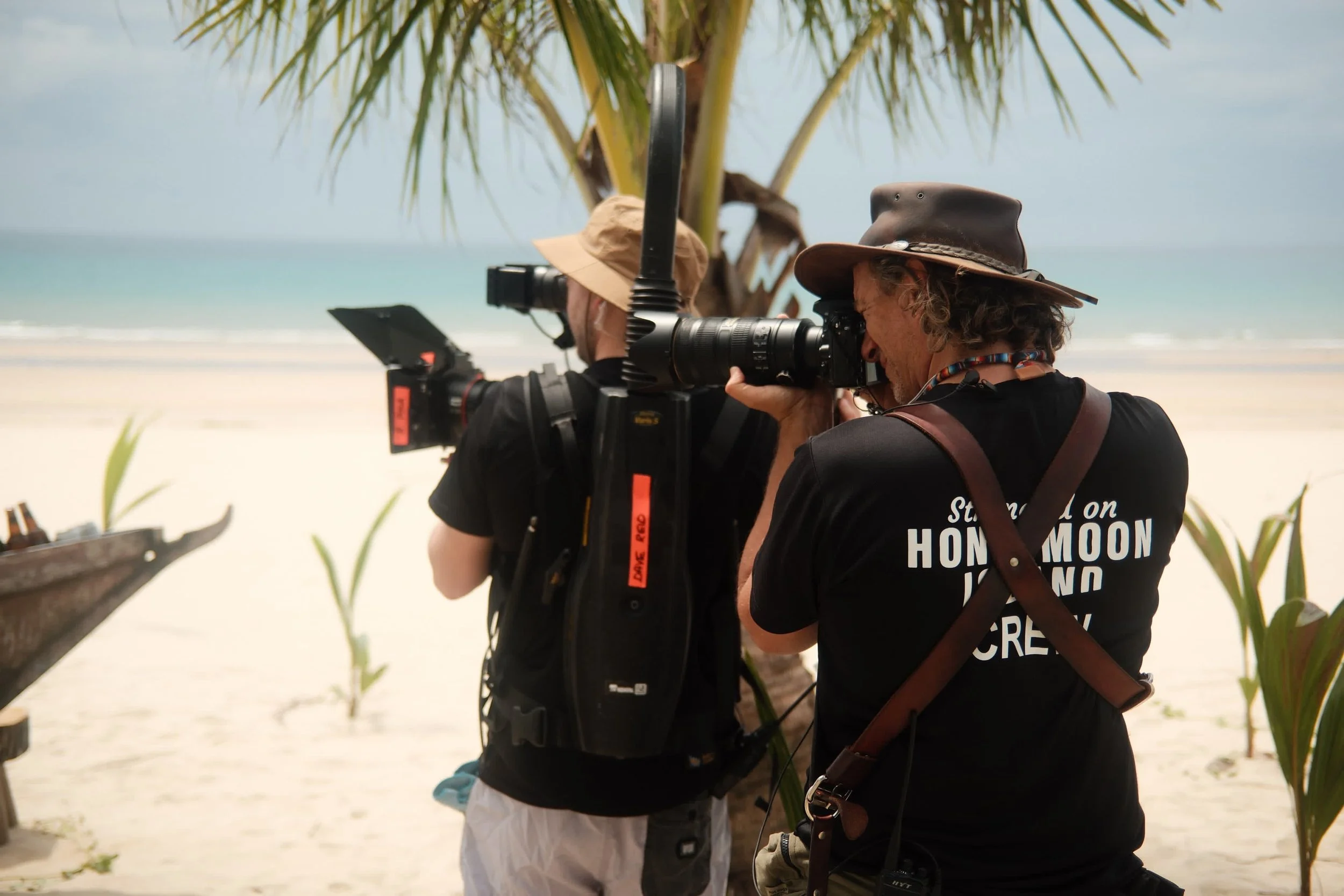
In the beautiful Phillipines for The BBC 1 Primetime show, “Stranded on Hoheymoon Island” 2025
Planning a wedding and want photographs that actually feel like you?
Come and tell me what you’ve got planned.
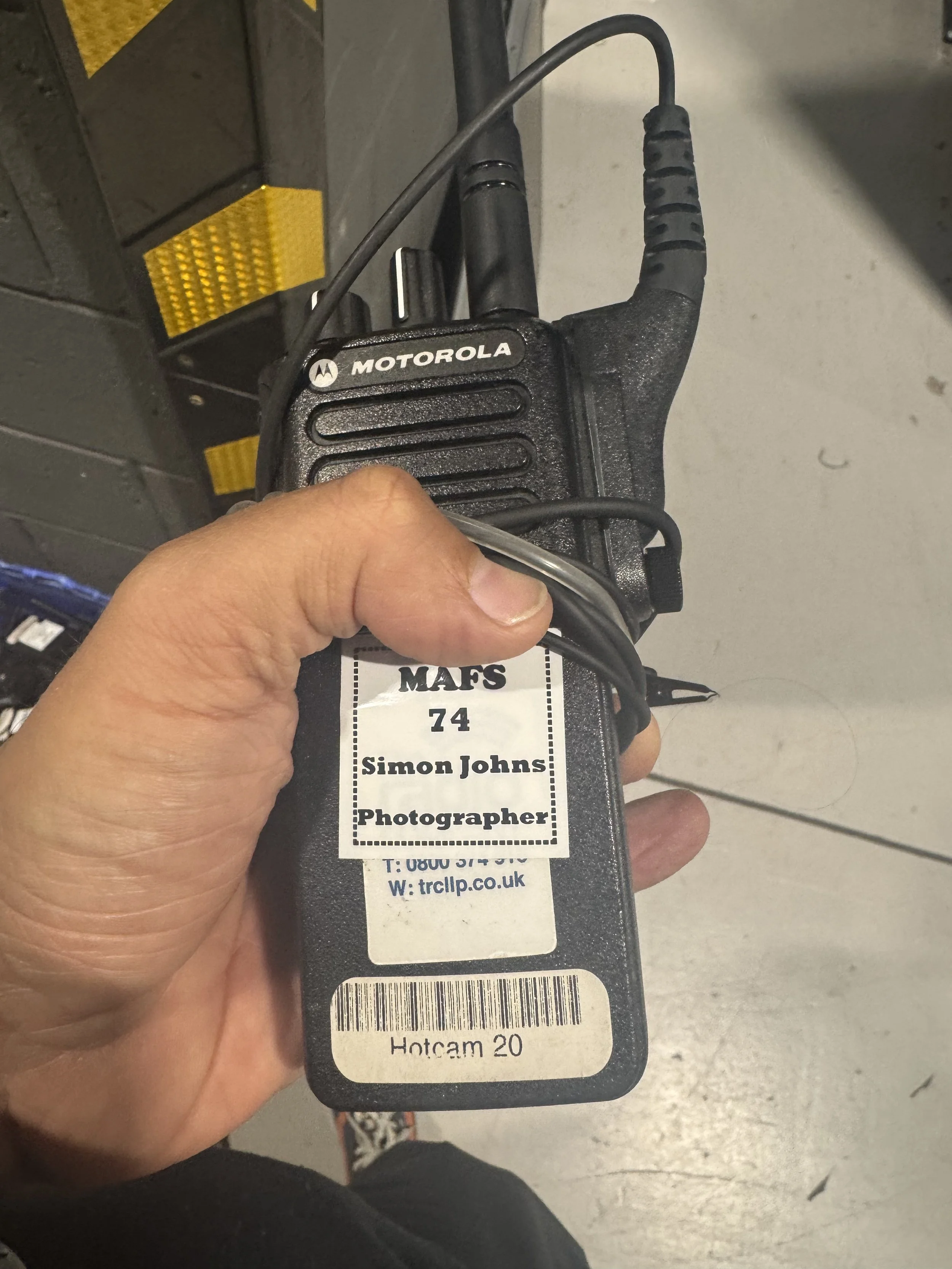
The - “Si, get out of shot!” device
I’ve spent a fairly large chunk of the last decade photographing people on television.
Big reality shows. Tiny crews. Huge studios. Ridiculous locations. Celebrities. Contestants. People having the absolute time of their lives and people having a decidedly less good day.
And somewhere along the way, it taught me something that has become a massive part of how I photograph weddings.
Taking a good photograph is actually the easy bit.
The difficult bit is connecting with the person in front of the camera.
Because most people aren’t models.
They don’t instinctively know what to do when someone points a camera at them. In fact, quite a lot of perfectly confident, funny, brilliant people become incredibly strange the second they realise they’re being photographed.
Hands suddenly become a problem.
Smiles become weird.
Nobody knows where to look.
And that’s completely normal.
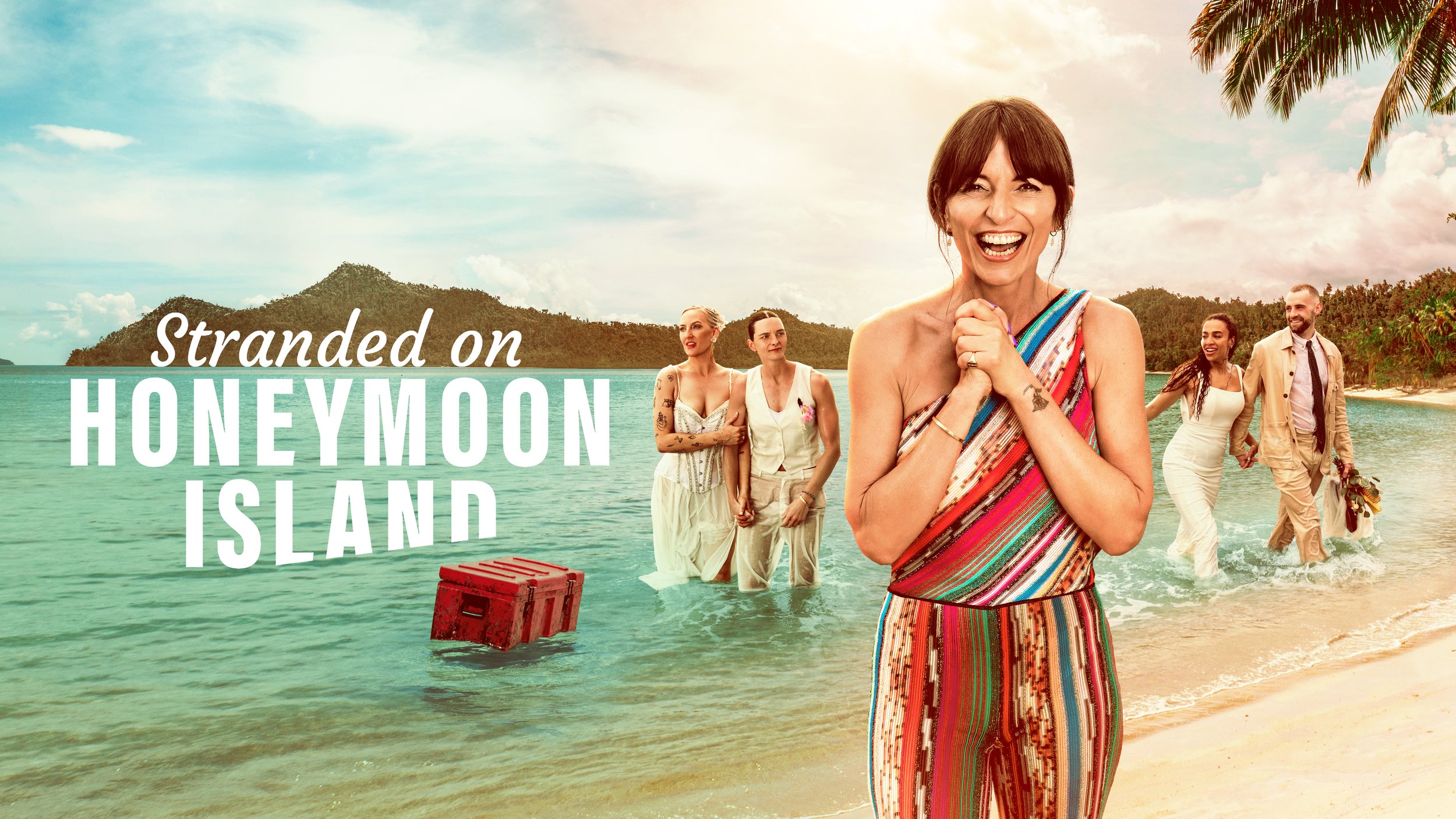
“Stranded on Honeymoon Island” - Keyart - BBC
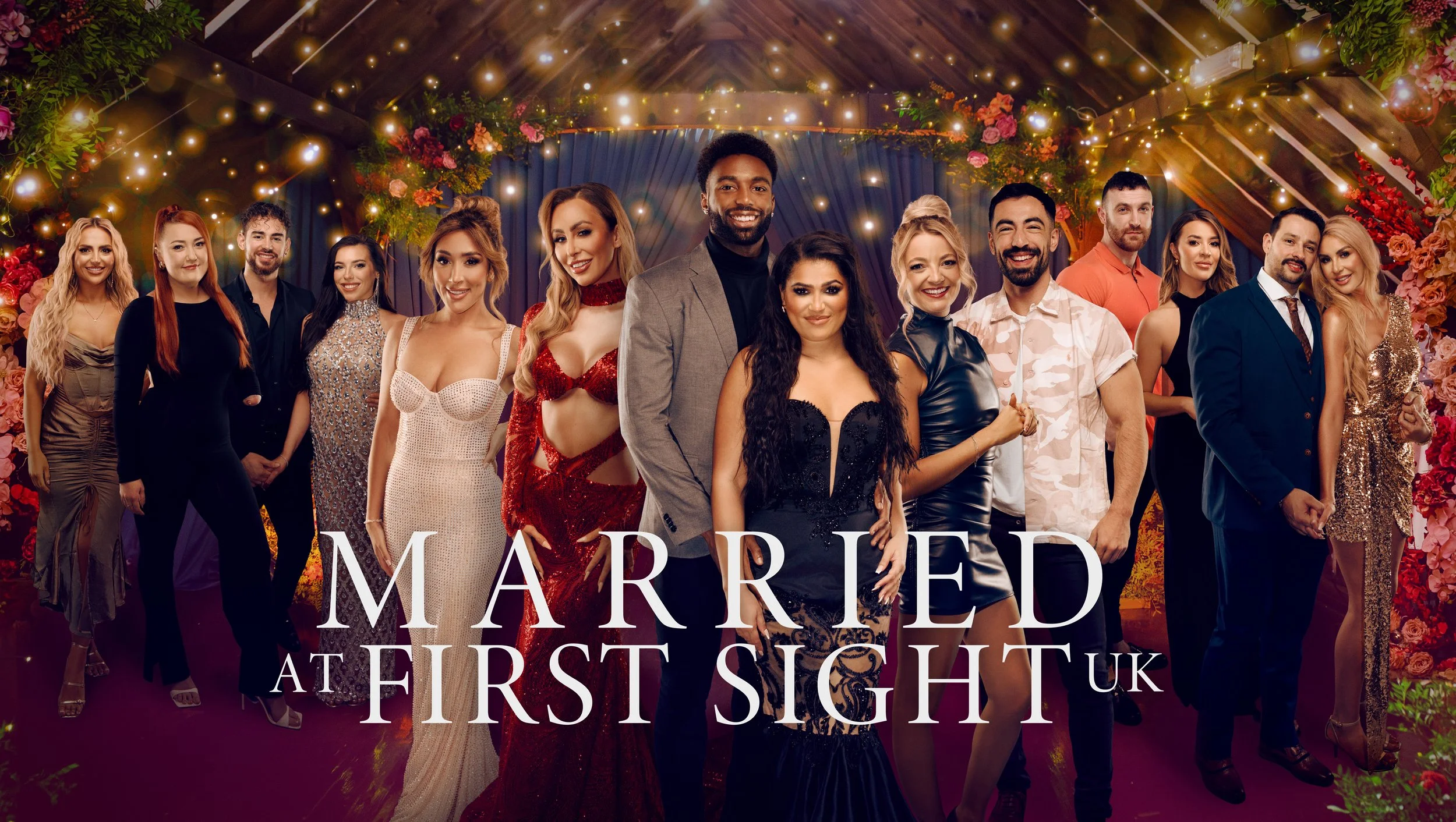
“MAFS Reunion Special” - Keyart - C4
People need to trust you first
On a television set I can sometimes have about thirty seconds with somebody.
They might have just stepped out of an interview. A producer needs them somewhere else. Someone’s shouting about lunch. The light is disappearing and I need a photograph that might end up being used by a broadcaster, newspaper or on a billboard.
There isn’t time for a twenty-minute photoshoot.
So the most important thing I can do isn’t fiddle with my camera.
It’s connect with them.
Have a chat. Make them laugh. Work out very quickly who they are and what they need from me.
Some people want loads of direction.
Some want almost none.
Some need me to be an idiot for thirty seconds so they stop thinking about the enormous camera pointing at their face.
And once somebody trusts you, everything changes.
They stop performing for the camera.
They become themselves.
That’s normally when the good photographs happen.
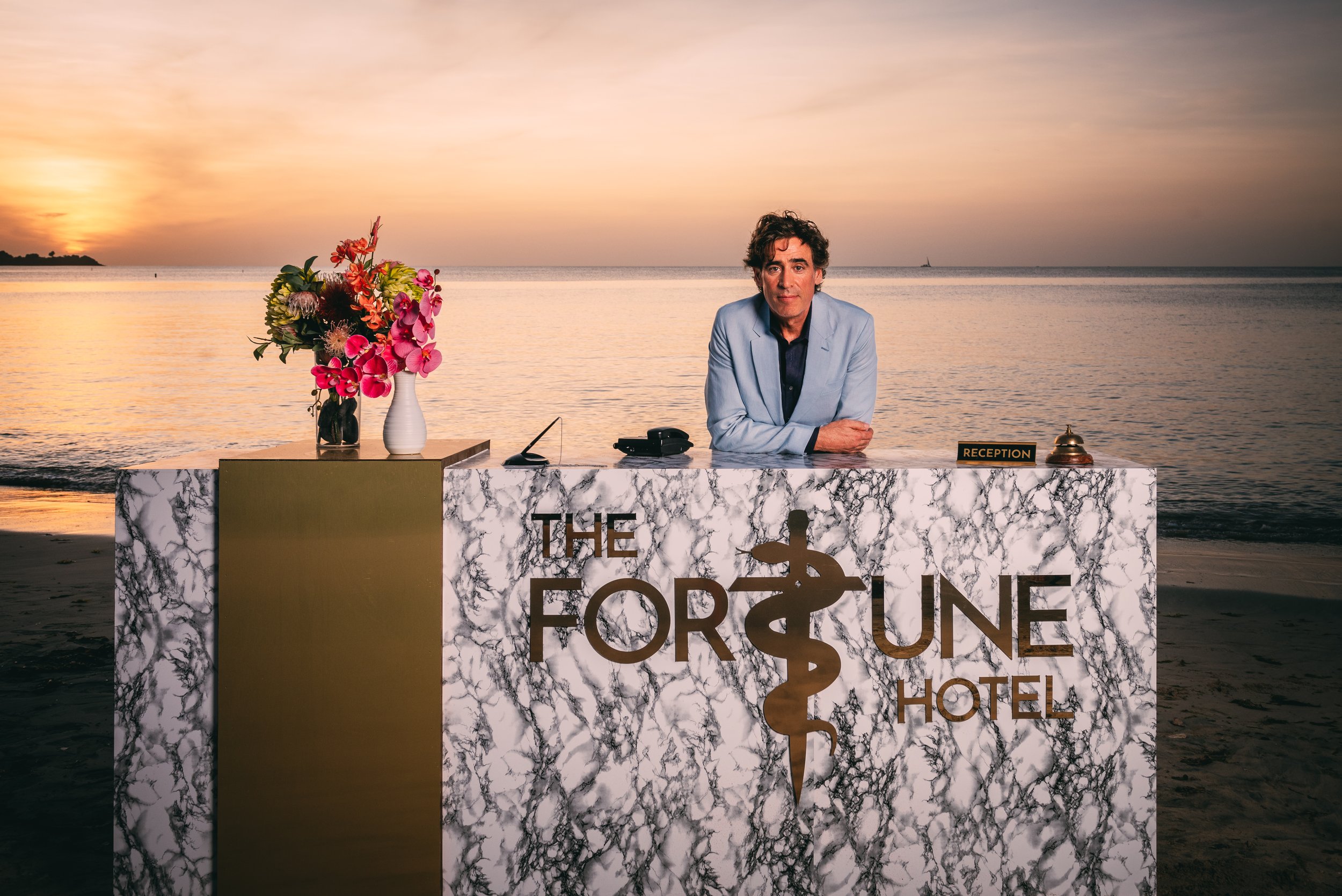
Fortune Hotel - ITV - 2025
Weddings are surprisingly similar
Obviously, your wedding isn’t a television production.
Although occasionally, after watching twelve bridesmaids trying to find a missing earring while someone is steaming a dress and your dad is asking where he left his speech, there are similarities.
But the same principle applies.
I’m walking into a room full of people I’ve probably never met before and, within a very short space of time, I need them to be comfortable with me being there.
Not just the two of you.
Your mum.
Your best mate.
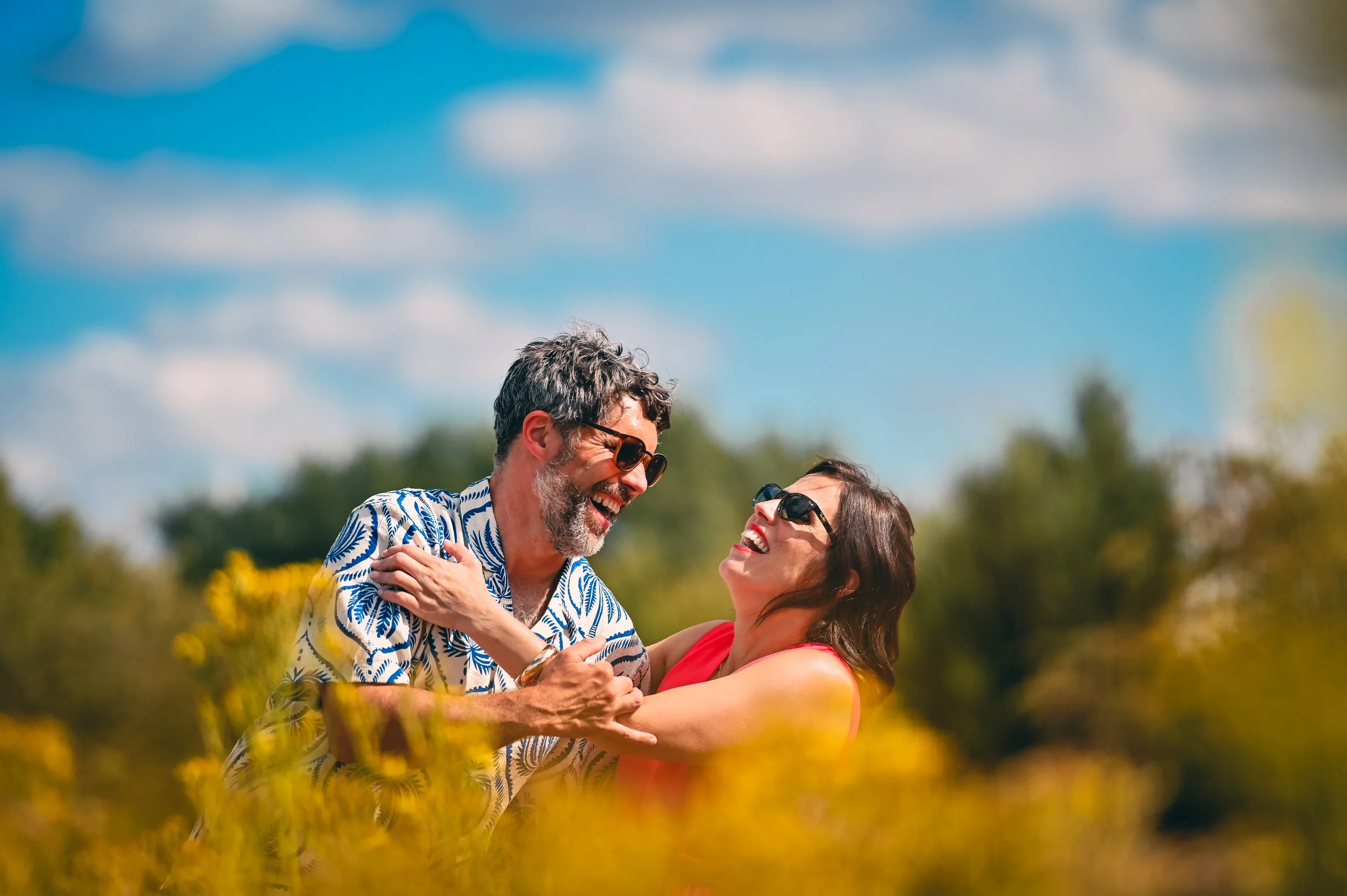
Niall & Cassie - Deighton Lodge, York - 2026
Your grandad.
The bridesmaid who absolutely hates having her photograph taken.
The flower girl who has decided she’s had enough of the entire wedding by 11am.
Because I don’t want people thinking about me.
I want them thinking about each other.
Reading the room matters
One of the biggest things television has taught me is how to read people.
There are times to step forward and take control.
And there are times to disappear.
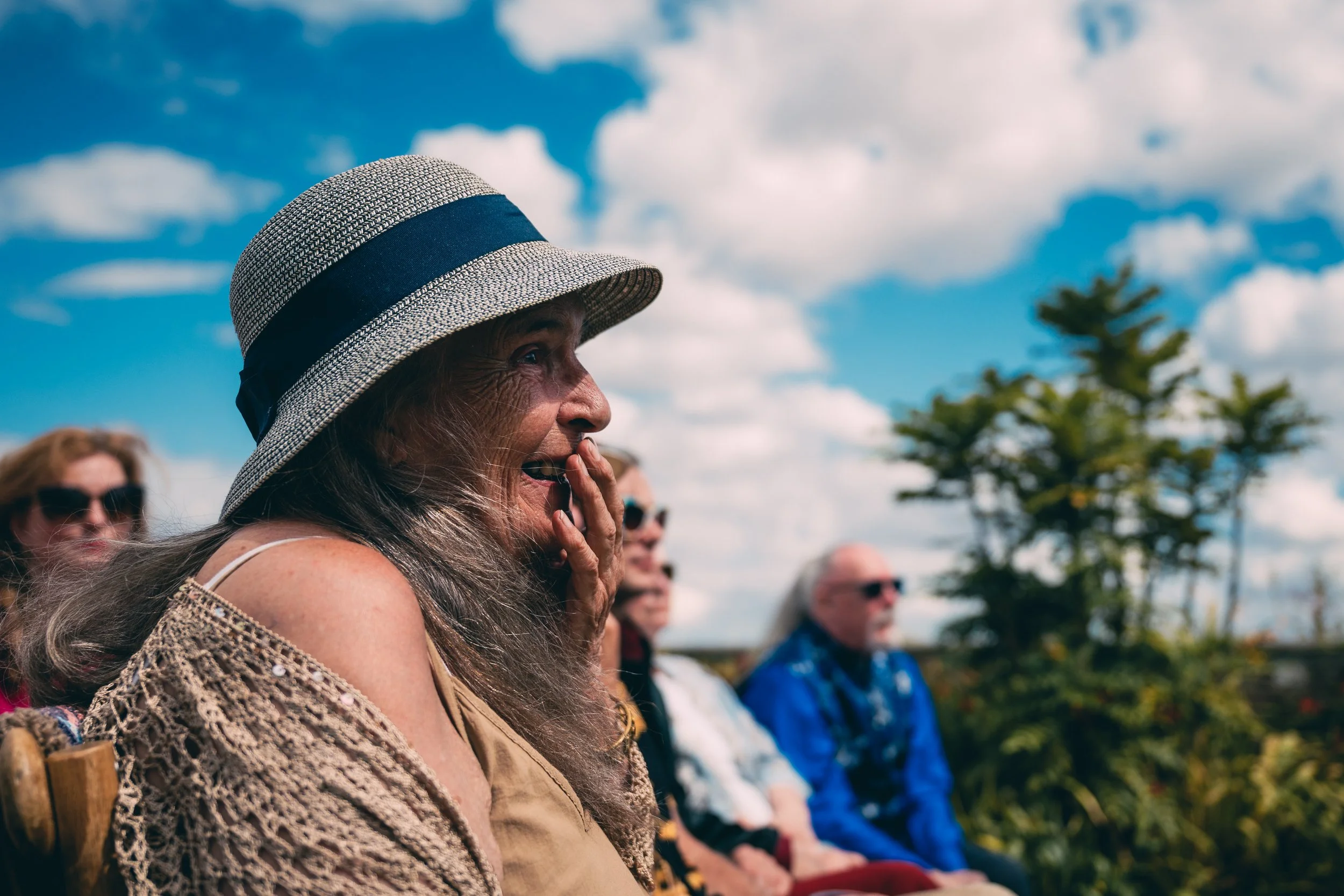
The mother of the groom, Jules - Deighton Lodge, York
There are moments when somebody needs a bit of encouragement and moments when the worst possible thing I could do is interrupt what’s happening.
That instinct is incredibly useful at weddings.
If your dad sees you dressed and suddenly gets emotional, I’m not going to start directing him towards better light.
If your friends are absolutely losing it on the dance floor, I’m not stopping them to organise a photograph.
And if the two of you look like you desperately need five minutes away from everybody, I might quietly suggest we disappear for a wander.
Sometimes my job is to make something happen.
Most of the time it’s knowing when not to.
You don’t need to be good at having your photograph taken
This is probably the biggest crossover between my TV work and weddings.
I photograph people who are incredibly comfortable in front of cameras.
I also photograph people who really, really aren’t.
And being photogenic has remarkably little to do with it.
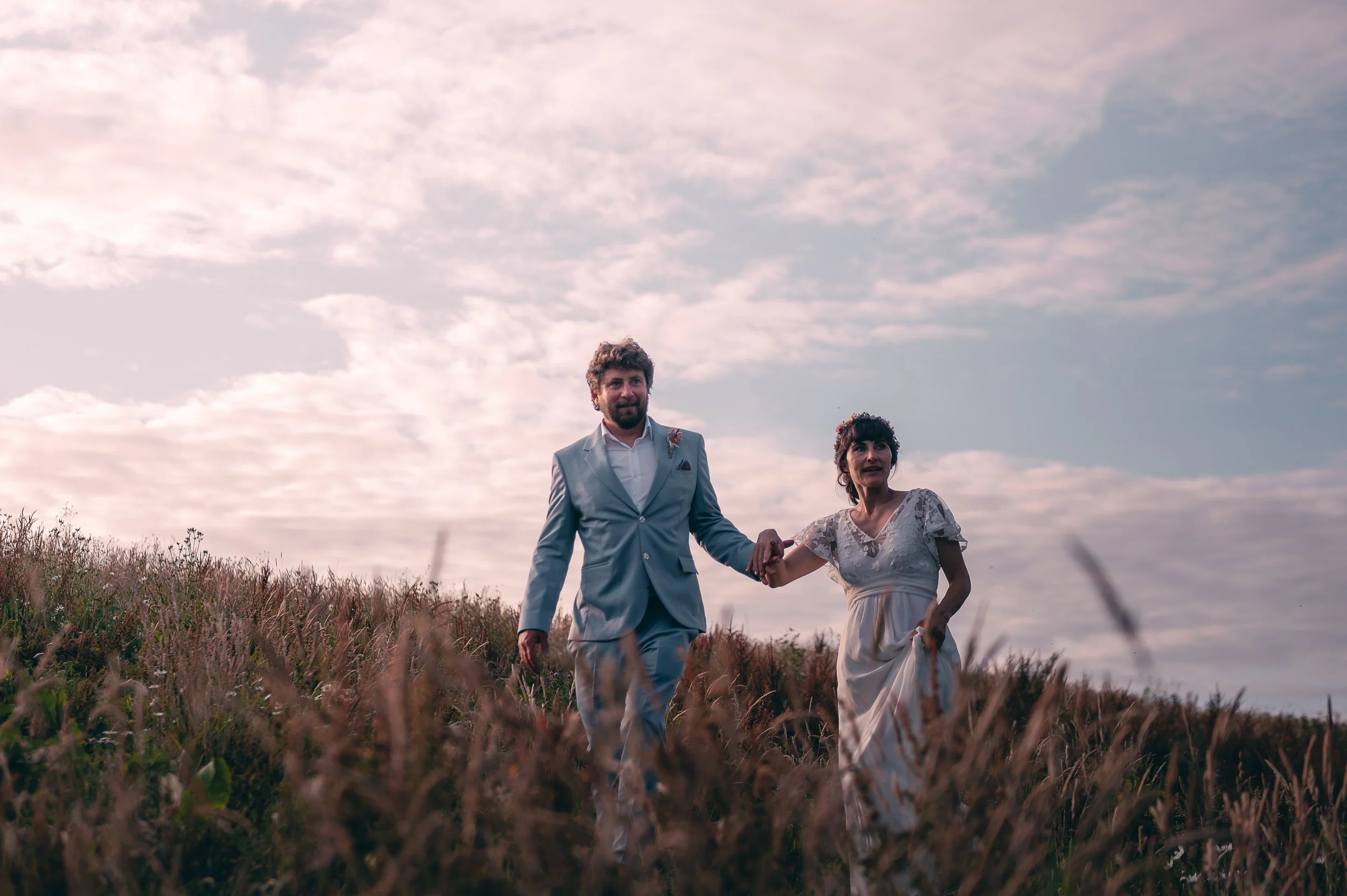
Anna & Matts sunset from their wedding - The Barn at Pengelly - Cornwall
The photographs I love are nearly always about connection.
The way somebody looks at someone.
A hand squeezing another hand.
Someone trying not to laugh.
A tiny expression that lasts half a second.
You can’t manufacture that stuff particularly well.
But you can create an environment where it happens.
That’s what I’m trying to do.
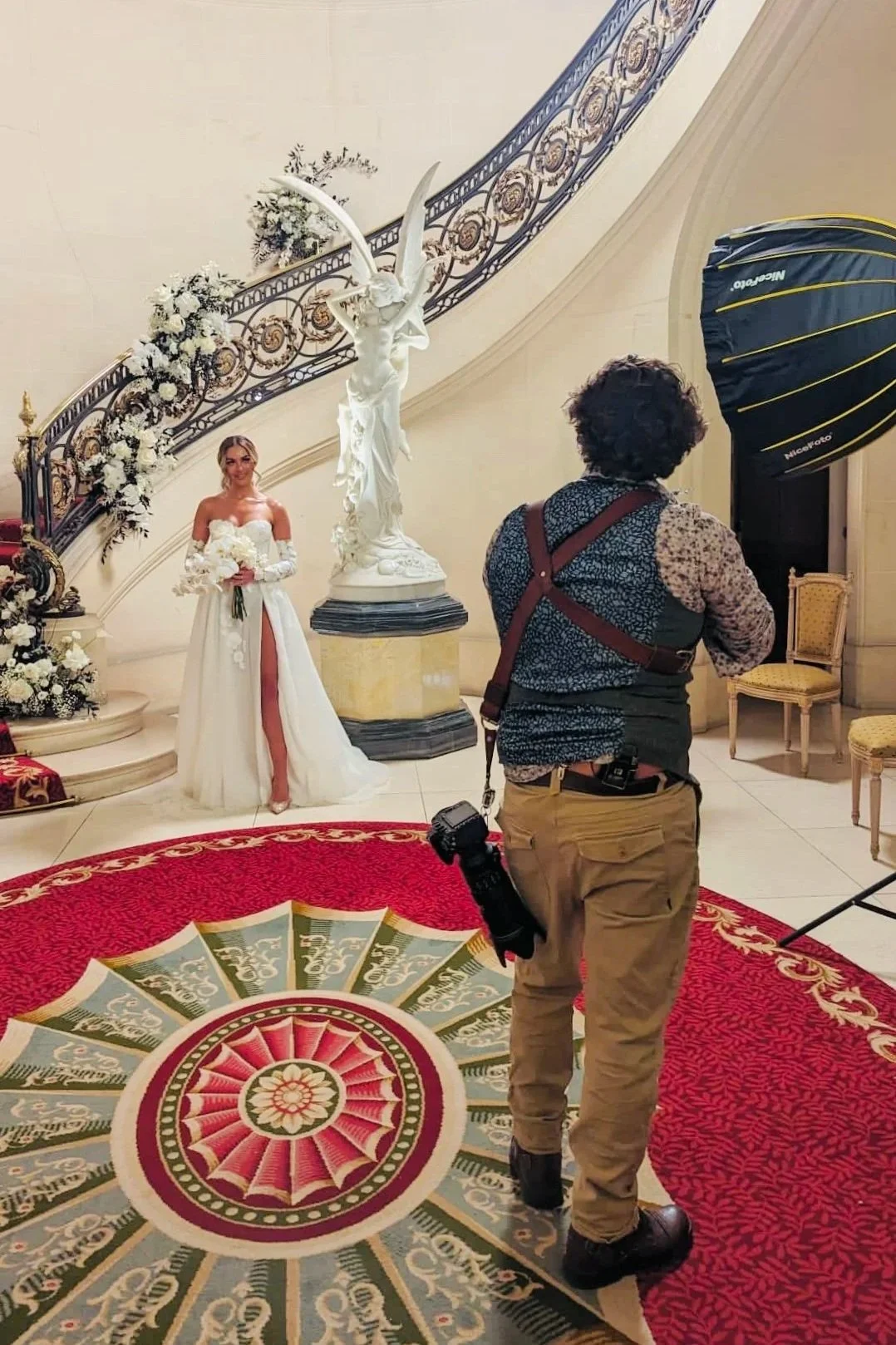
Shooting Amy’s bridal Portraits - Married At First Sight - C4 - 2024
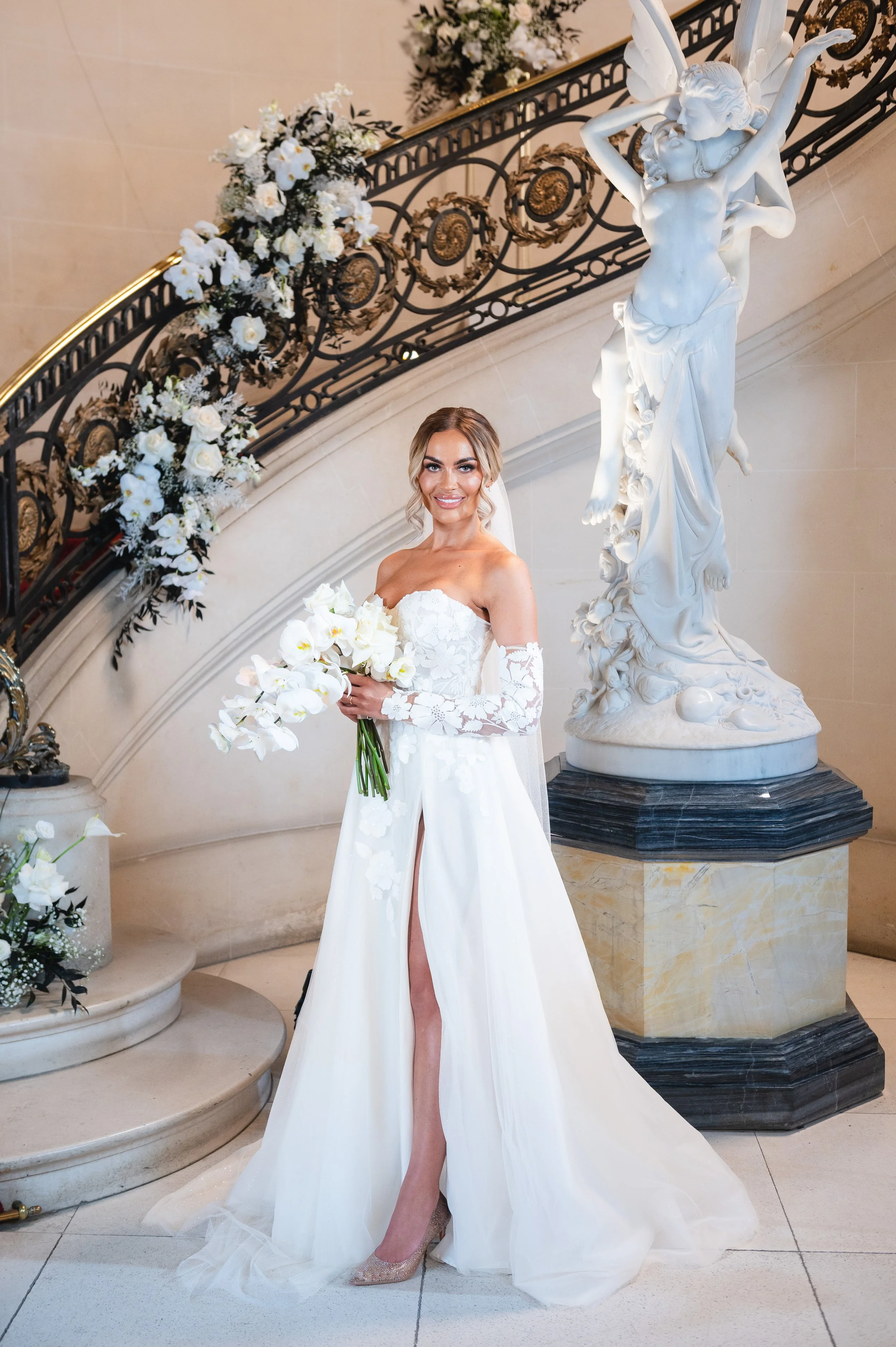
Amys Bridal Portrait - Married At First Sight - C4 - 2024
The camera is almost secondary
I’ve spent years learning the technical side of photography. Cameras, lighting, lenses, composition and all the other stuff photographers can happily bore you senseless talking about.
That stuff matters.
Of course it does.
But after years photographing television productions and hundreds of people, I’ve realised that my most useful skill probably has nothing to do with a camera.
I’m good with people.
I can walk into a chaotic room and feel comfortable.
I can talk to pretty much anyone.
I can tell when somebody needs direction and when they need space.
And I can usually get someone who started the day telling me “I hate having my photograph taken” to completely forget that I’m doing it.
That’s what TV taught me.
The best photographs don’t come from poses.
They come from people.
And my job is simply to make sure you’re comfortable enough to be yourselves when they happen.
If this sounds like how you’d like your wedding photographed, I’d love to hear what you’ve got planned.
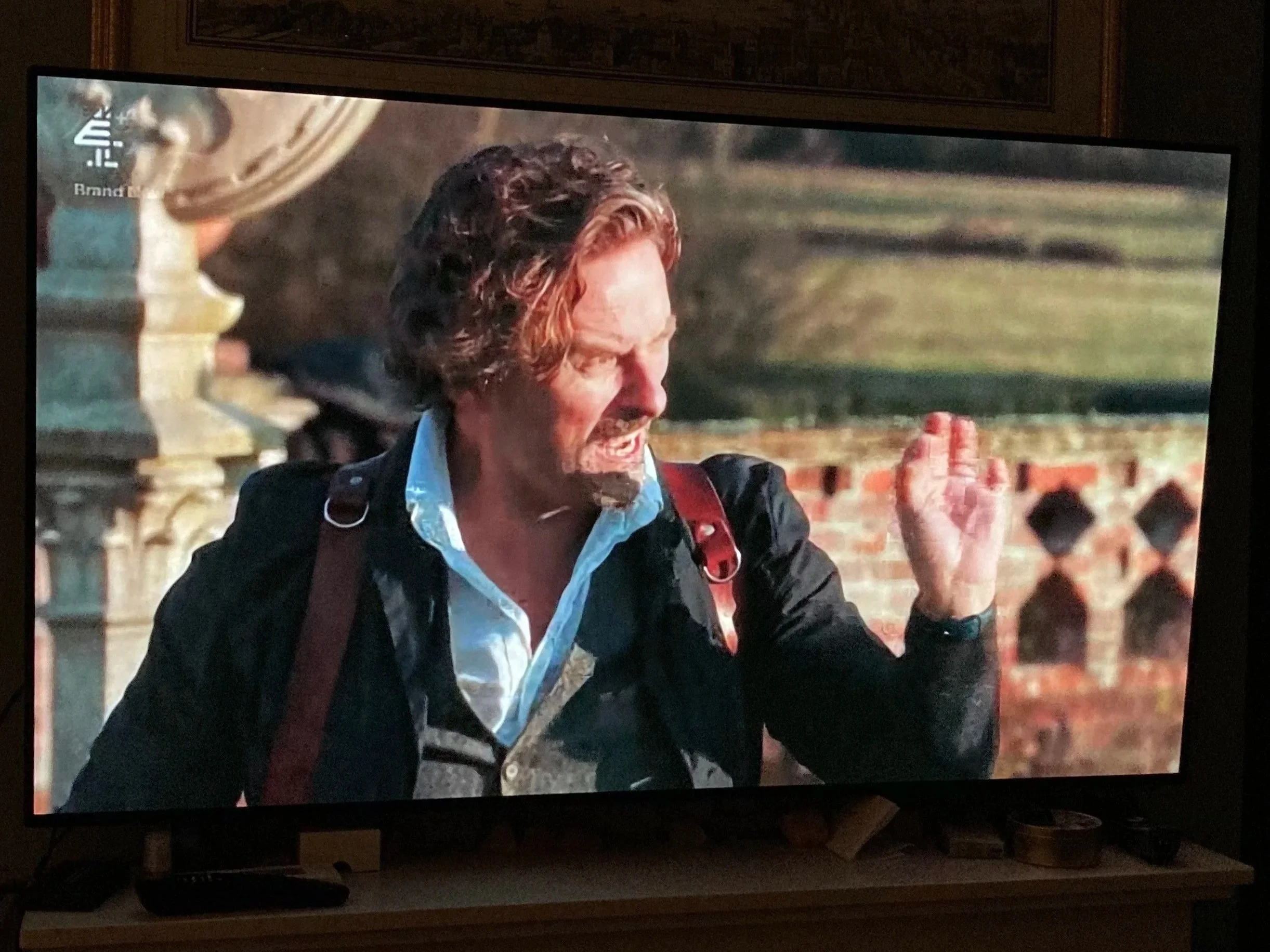
Every now and then I end up on screen too.
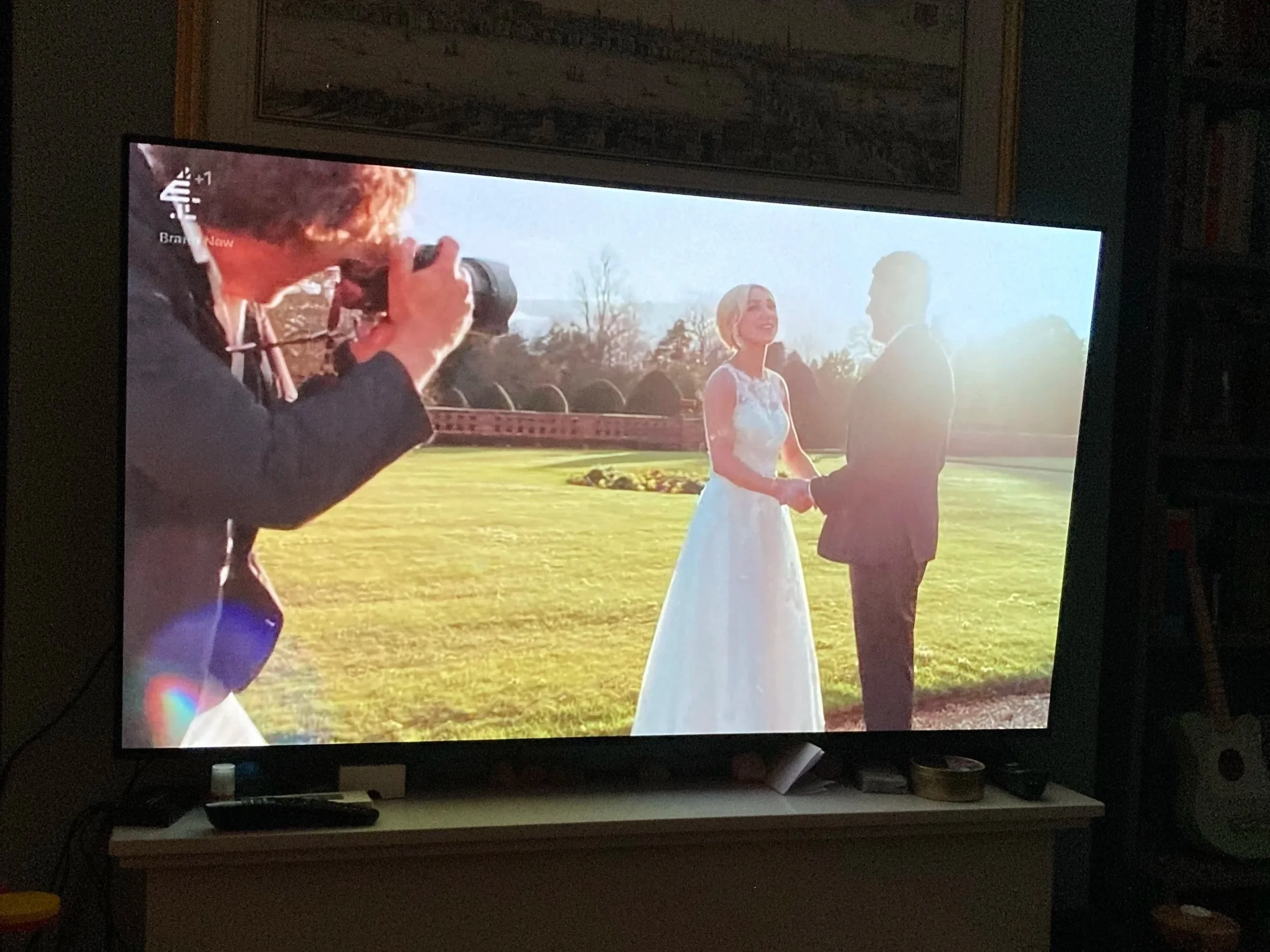
Every now and then I end up on screen too.